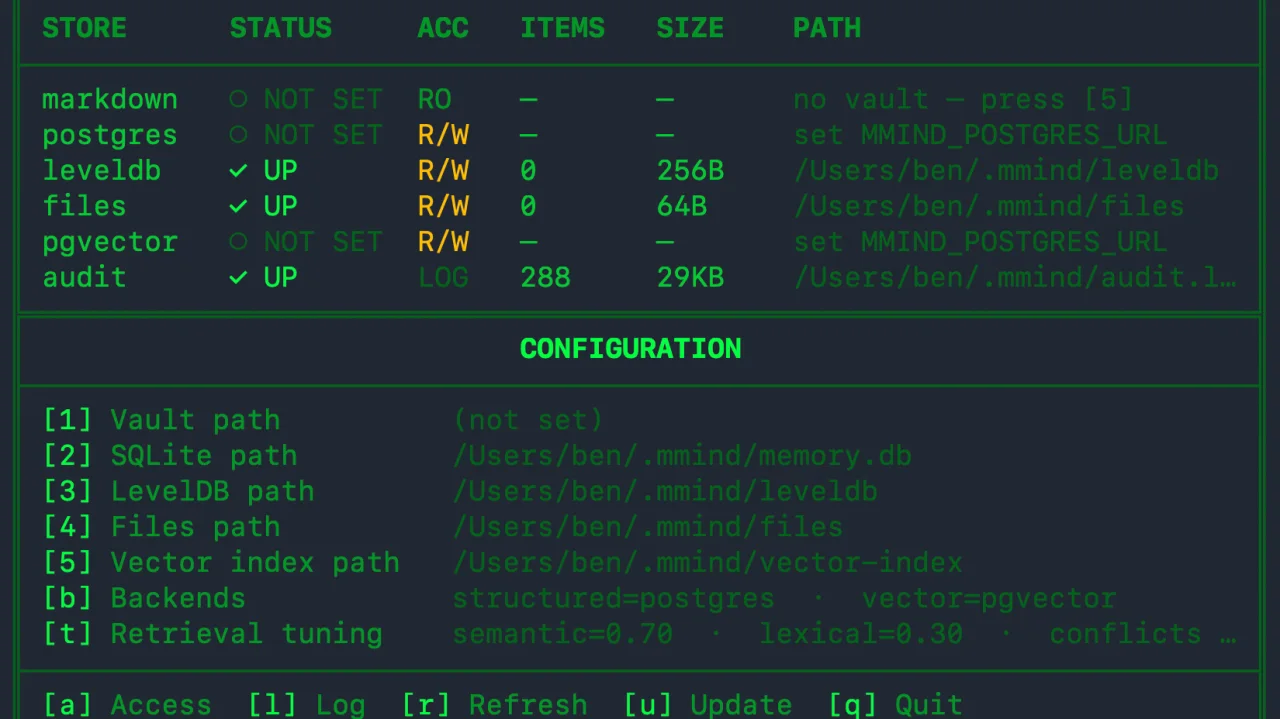
Agent memory is not just storage but a trust, governance, and ownership architecture. Keep institutional knowledge under your control, preserve provenance, surface conflicts, separate human truth from agent output, and avoid convenient lock-in.
The AI skill gap is not technical, it is audacity. Give agentic tools ambitious outcomes, let them execute until human judgment is needed, and build teams that treat AI as a bold collaborator rather than a cautious intern.
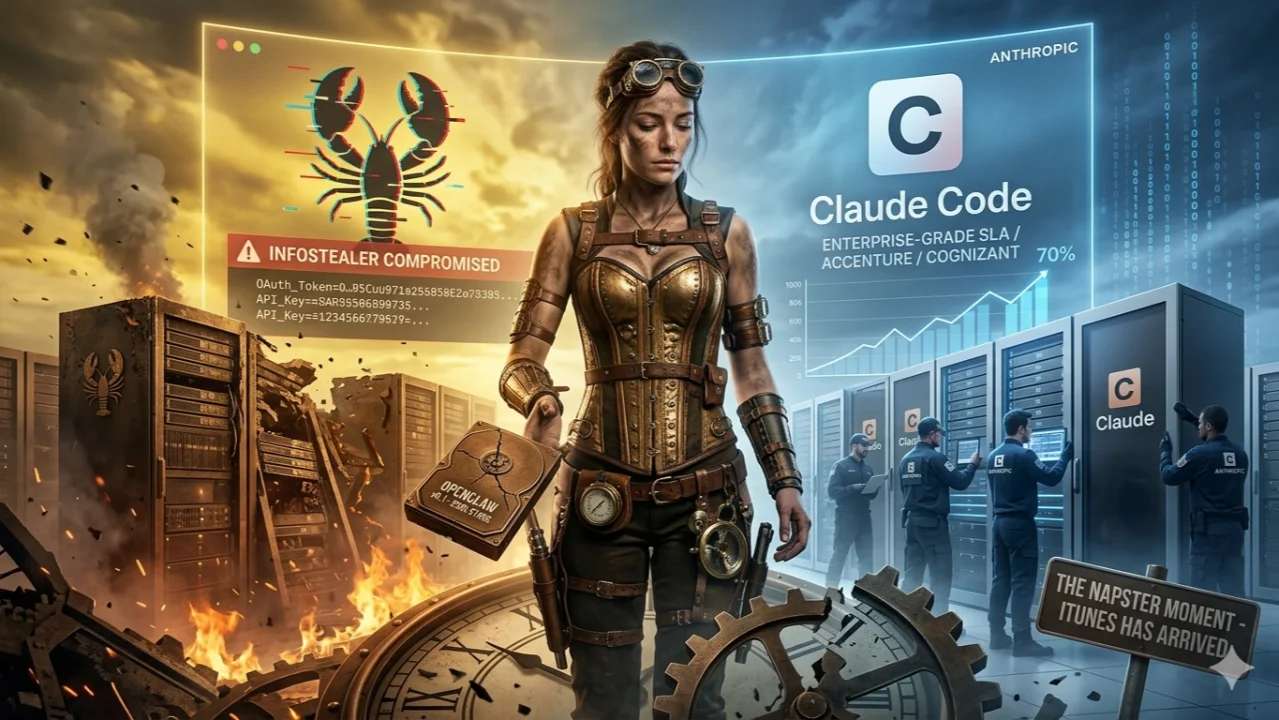
OpenClaw proved enterprises want AI that acts, but its security failures handed the market to governed platforms like Claude. IT leaders should prioritize agentic capability backed by compliance, SLAs, and support, not viral GitHub momentum.
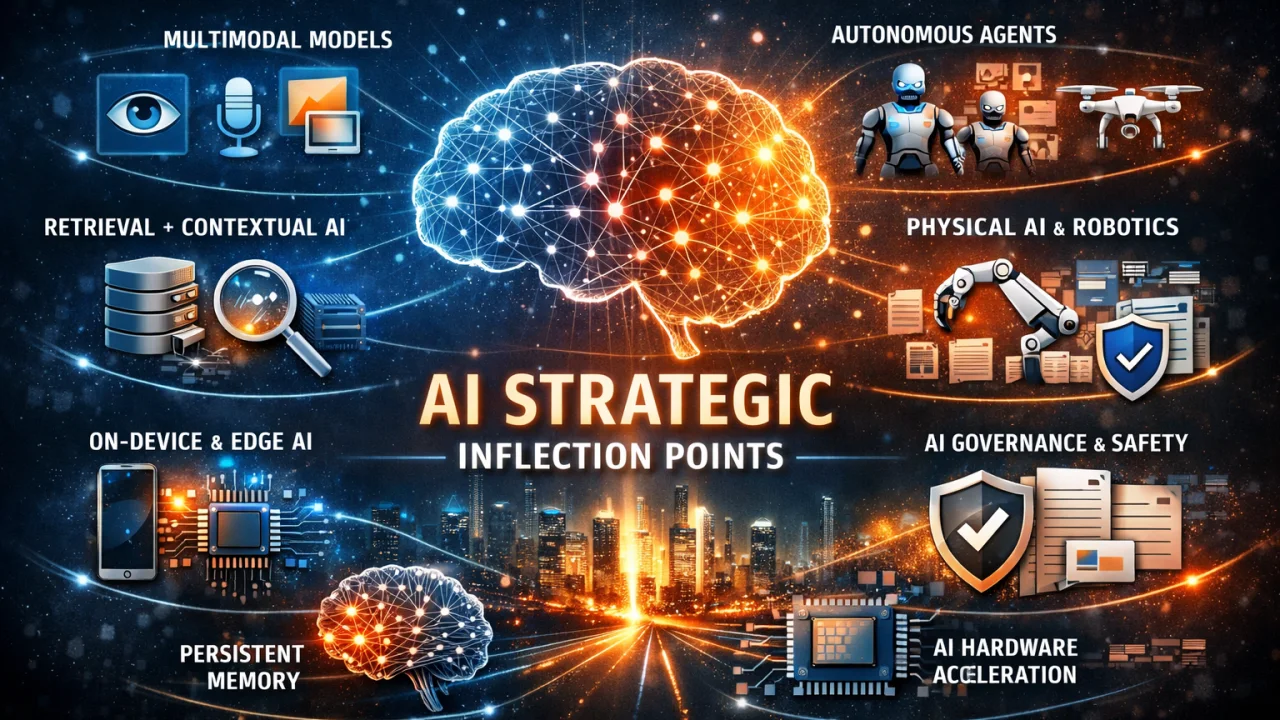
Advanced AI earns its place only when measurable gains in effort, risk, or speed outweigh its costs. Leaders need clear guardrails, accountability, and governance that tie autonomy and spending to business outcomes.
AI/ML rewards the precision and pragmatism once dismissed as excessive. Before automating, I consolidate duplicate systems, clean up data, and standardize processes because vision without operational discipline is costly and doomed to fail.
AI projects succeed through thoughtful architecture, not brute force. Aligning people, processes, and technology around human needs turns complexity into clarity and ensures speed serves the right direction.
Before chasing shiny technologies, assess and strengthen your infrastructure, security, policies, and core systems. Right-sized, forward-looking IT investments create the reliable foundation every modern business needs to innovate successfully.
Insourcing software development connects internal expertise with rapid feedback and shared ownership, reducing contractor overhead while producing tools that evolve with real-world processes and accelerate digital transformation.
Bitcoin may fade, but blockchain is here to stay. Its decentralized, tamper-resistant design could secure IoT devices, streamline payments and data exchange, and reshape finance, so organizations should prepare now.
Business technology choices often reflect bias, fear, and habit more than measurable value. Revisit past decisions and examine the forces shaping new ones before changing systems simply for change's sake.
Leaders create failure when they ignore culture, chase shifting priorities, and model hypocrisy. Be honest about fit and decisions, then use difficult situations and failures as fuel to adapt, grow, and lead with integrity.
Before hiring a “Rockstar,” consider whether your culture and leaders can support the disruption they may bring, and recognize the experienced employees already driving your success.
Hacked Again shows that no one is immune to cybercrime, but practical habits can reduce risk. More importantly, Scott Schober’s response reminds us that adversity is defined not by the pain itself, but by what we do next.
A successful VoIP move starts with hard questions about infrastructure, telco readiness, business needs, licensing, recurring costs, maintenance, and deployment expertise. Planning these details upfront prevents painful surprises later.
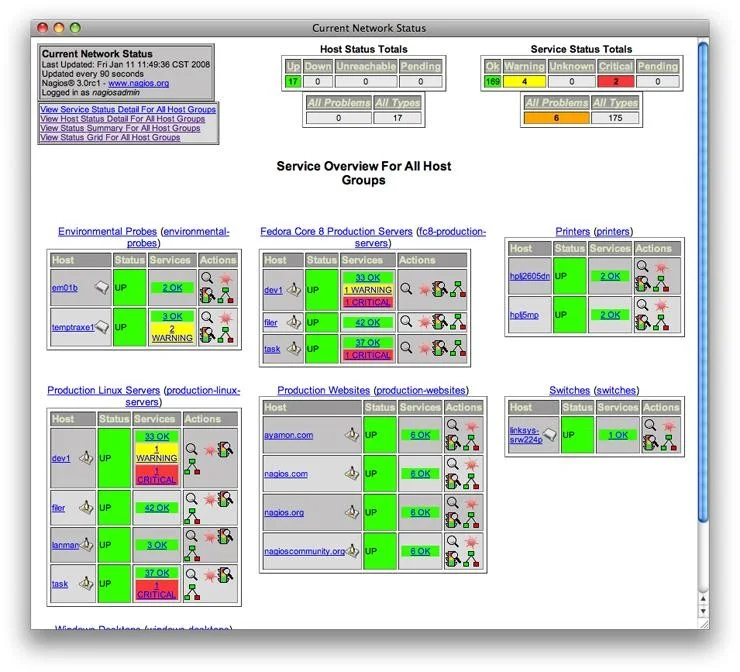
Choosing a monitoring platform demands hands-on evaluation, time, and Linux skills. I chose Nagios Core because its disciplined configuration and third-party extensions enable it to scale to monitor thousands of hosts and services.
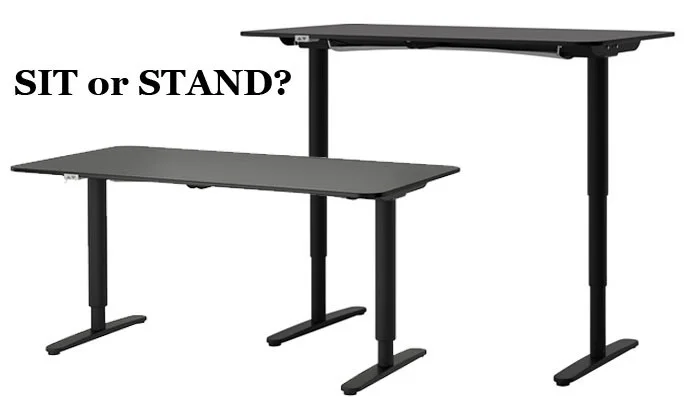
Alternating evenly between sitting and standing has boosted my energy, focus, and collaboration, though supportive footwear and an anti-fatigue mat are essential for comfort.
Our instinct to protect our own can distort truth and deepen division. We must look beyond individual interests, acknowledge broader truths, uphold the rule of law, and pursue justice that serves society as a whole.
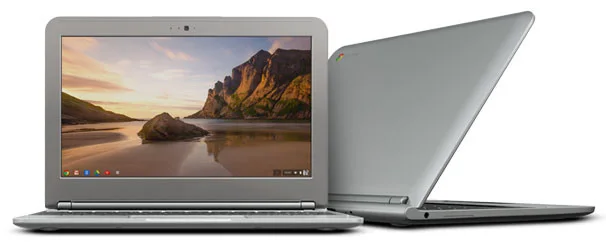
Chromebook growth signals changing expectations for personal computers and growing trust in cloud computing. For SMBs, that shift offers a practical way to cut infrastructure costs and rethink both organizational and personal technology choices.
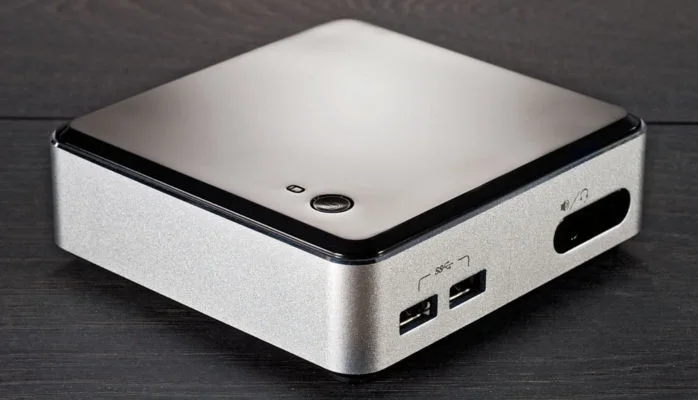
The Intel NUC delivers desktop power in a tiny package, making it compelling for digital signage, home theaters, conference rooms, and compact offices, but it remains a niche option rather than the future of all PCs.